Wellness Guides
Making a Personal Playlist for Quiet Time
Use music you already like as a starting point. Decide whether you want a steady background or tracks that hold your attention, then choose a few songs wi…
Use music you already like as a starting point. Decide whether you want a steady background or tracks that hold your attention, then choose a few songs wi…
Treatment and recovery may affect how somebody feels about personal care or time with a partner. Ask about the concerns that matter to you, and explain yo…
Choose familiar holiday standards for a shared room and add some quieter tracks if the plan is an evening at home. The energy of each track matters more t…
A winter evening can be a chance to plan one quiet activity, such as having a warm drink, watching something together or spending time in comfortable clot…
Movement guides differ in the position, balance and equipment their routines require. A beginner program at home may include a few familiar strength movem…
Use specific terms when describing symptoms such as a change in shape, a lump or a urinary concern. Explain what you noticed, its timing and whether you h…
A clinician can help distinguish a general question about family or medical history from a new symptom that should be assessed. Share both kinds of inform…
Write down what you know about recent cervical screening or vaccination and which parts you want a clinician to explain. Recommendations can vary with his…
If you want to discuss breast health, tell a clinician about relevant personal or family history and any change you have noticed. Ask how those details re…
Describe when changes in comfort, energy or sexual interest started and whether they happened alongside changes in mood, illness or medication. Try to kee…
Ovarian and prostate health are separate subjects, and questions about screening depend on individual risk and health history. Bring specific concerns to …
Describe whether the discomfort started suddenly or gradually, which activities affected it and whether you noticed other changes. Clear details are more …
Ask a healthcare professional what noticing changes means for someone with your health history. A question about an existing symptom may call for differen…
If you have noticed a change, write down its location, when it appeared and anything else you have observed. That information can make it easier to descri…
An awareness event can provide a reason to read about normal changes and ask a clinician which concerns should be checked. It can also make it easier to t…
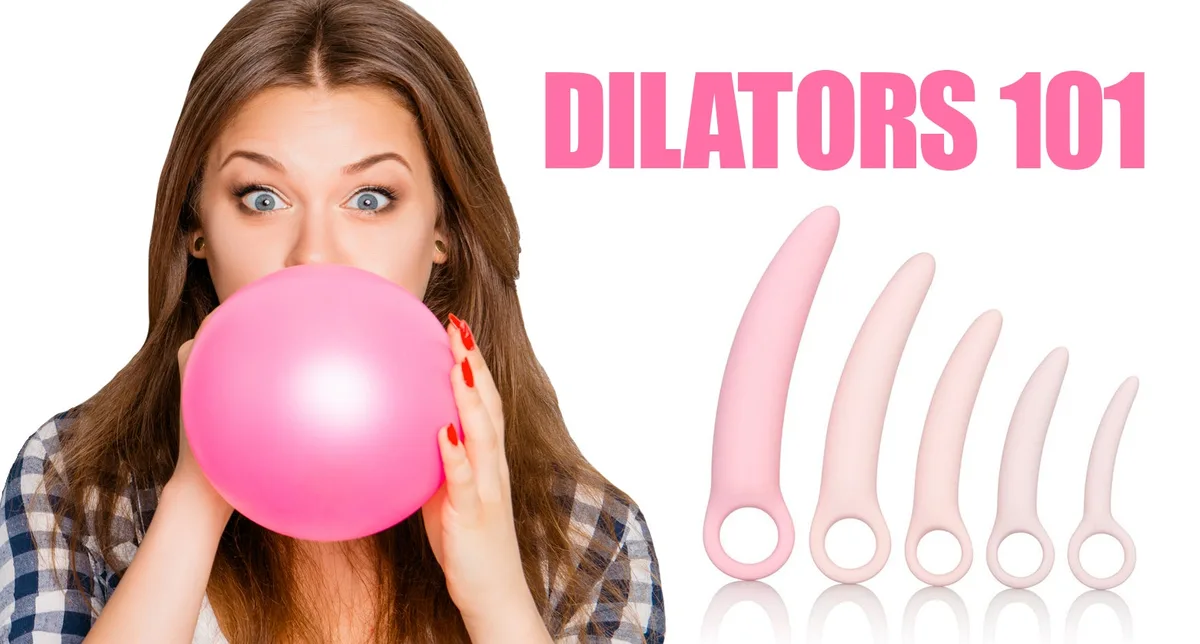
A dilator set may be described by material, size progression and care instructions. Those details can help you compare products when a healthcare professi…
Ask what labels, humor or kinds of flirting the other person likes and what language makes them uncomfortable. Start with a straightforward question at a …
Choose a simple game with outcomes that either partner can decline. Talk about limits before starting and leave room to switch to a different reward or st…
Before sending a private message, ask whether the other person wants to receive that sort of communication and what timing or level of detail feels suitab…
Raise the idea at a calm time and describe the general theme instead of assuming the other person wants to participate. Give them a chance to ask question…
People use the term outercourse for different non-penetrative activities. Be specific about what you mean when discussing it with another person.
Choose a neutral time away from an intimate situation. Explain what you want to talk about and ask whether the other person wants to have that conversatio…
Keep everyday grooming, skincare and accessory care as separate tasks with their own directions. Check whether a tool is designed to get wet and which par…
Start by asking what each person values and what they find difficult to bring up. Individual preferences are often more useful in a conversation than a br…