Wellness Guides
Planning Personal Goals That Reflect Your Own Priorities
Choose a goal because it gives you time for something you value, rather than because it promises to make you more acceptable to someone else. Write down h…
Choose a goal because it gives you time for something you value, rather than because it promises to make you more acceptable to someone else. Write down h…
Allow yourself to ask questions without deciding which label or experience you should identify with. A resource that explains its terminology can make pri…
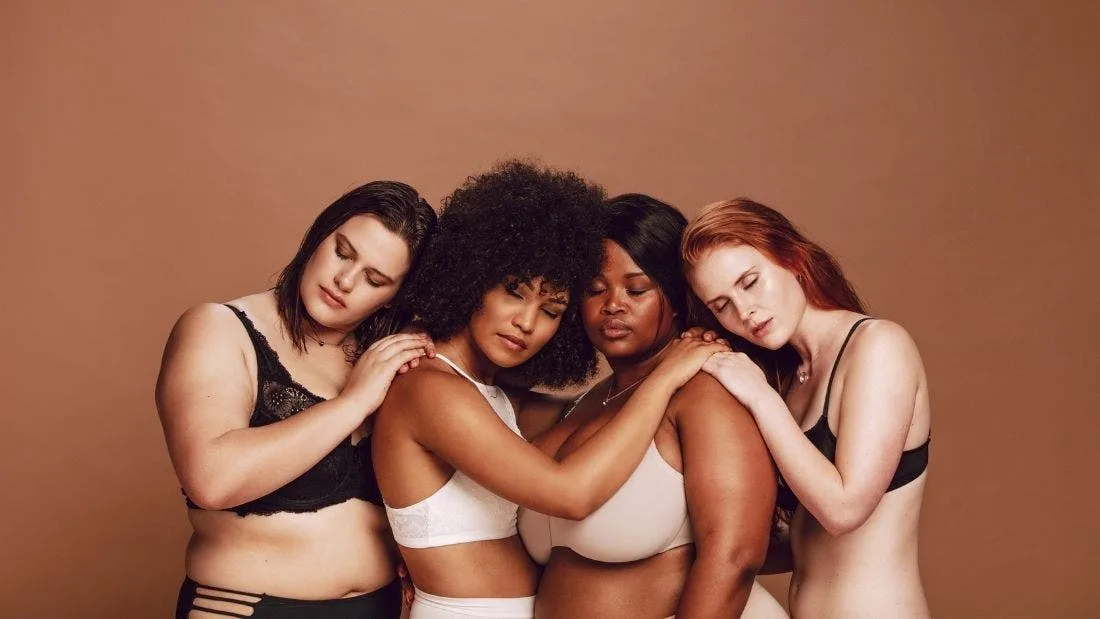
Start from how each person feels and moves. Ask what would make a shared activity easier or more comfortable instead of using assumptions based on body si…
Decide whether you want to keep, trim or remove hair before choosing any products. A routine should fit your needs and comfort, even when someone else pre…
Look at which expectations still feel relevant, which are shared with a partner and which depend on more information. A clear priority is easier to discus…
Some people are interested in a scenario, a material or a negotiated role, and others have no interest in those subjects. A category name can help start a…
Compare products using the size, controls, shape and care instructions relevant to you. A category label aimed at a gender may give you little information…
Personal comfort and attention depend on the situation. Give yourself room to notice whether the setting, timing or expectations help you feel at ease bef…
Review one routine that feels stale and ask whether both people want to change it. An evening for conversation or a change to a shared activity can be eas…
World AIDS Day can be an occasion to learn what testing and support services exist in your area. A testing provider can explain available test types and w…
A fabric binder or garment has different cleaning needs from an adhesive product or a prosthetic. Check the material and the manufacturer’s instructions b…
Check who fulfills the order and whether the model name, packaging and specifications match the manufacturer’s product information. An unusually low price…
Start the conversation at a time when both people have room to think. Explain why you want to discuss an accessory and invite your partner to ask question…
Write down the topics you have wanted to learn more about, from product care to boundaries or preventive health. Pick one practical subject so you can ide…
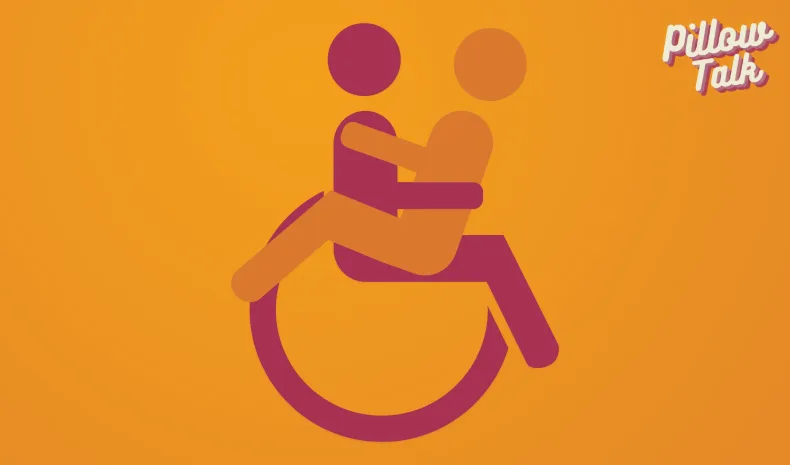
Start by identifying the adjustment you need, such as more support or a control that is easier to reach. Compare positioning aids by their shape and stabi…
Notice which part of the situation has changed and whether the change is connected with new routines, discomfort or pressure. Describe what you have obser…
Try making a shared playlist, writing a thoughtful note or scheduling an online activity. Choose the format around how both people like to hear from each …
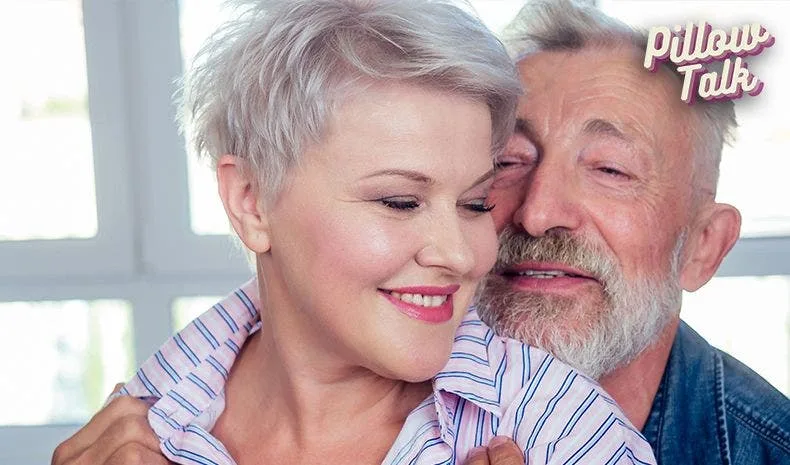
Changes in routine, comfort or interest can bring new questions at different ages. Rather than compare your experience to someone else’s, think of a speci…
Bring questions about testing to a healthcare professional or a qualified testing center. Ask which tests are appropriate for you and what information the…
Condom packaging identifies the format, intended use and storage guidance. Read those instructions before relying on size names, a textured surface or oth…
A reading list can cover separate questions about attachment, communication and personal wellbeing. Start with the question that brought you to the subjec…
Pick a plan around something both people already enjoy. A simple meal, a game, time to read together or a relaxing activity at home can fit a short evenin…
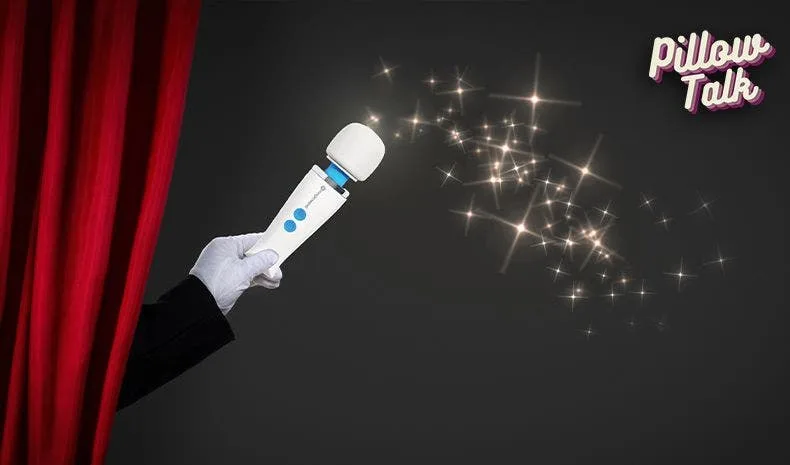
Decide whether reach, portability or access to the controls matters most. A full-size wand takes more storage space than a travel model, while a shorter h…
Pick the type of game that fits your group, such as a familiar board game, a cooperative activity or conversation prompts. Tell guests the kind of questio…